 how-to
Antique Chair Upholstery Cost: What to Expect in 2026
Table of Contents
- Antique Chair Upholstery Cost: What Drives the Price
- Chair Reupholstery Cost by Chair Type and Size
- How Much Fabric to Reupholster a Chair
- Antique Furniture Restoration Cost vs. Upholstery Alone
- Antique Chair Restoration: When It Is Worth the Investment
- How to Evaluate an Upholsterer for Antique Work
- Conclusion
- Frequently Asked Questions
Last Updated: October 14, 2026
Antique Chair Upholstery Cost: What Drives the Price
Antique chair upholstery cost depends on the chair itself, not a flat rate. Two chairs that look identical can land on very different quotes once you factor in frame condition, fabric choice, and how much handwork the seat demands.
At Creative Custom Upholstery, we have spent over 45 years working on furniture, including heirloom pieces families bring in for restoration. The single biggest mistake we see is comparing quotes as if every chair is the same job. It is not.
Antique chair upholstery cost is the total you pay to strip, rebuild, and recover an antique seat, and it moves with three things: the chair's construction, the fabric, and the labor hours required. Get those three right and you can predict your quote before you ever call a shop.
Why Antique Work Costs More Than Standard Reupholstery
Standard reupholstery follows a pattern. Antique work does not.
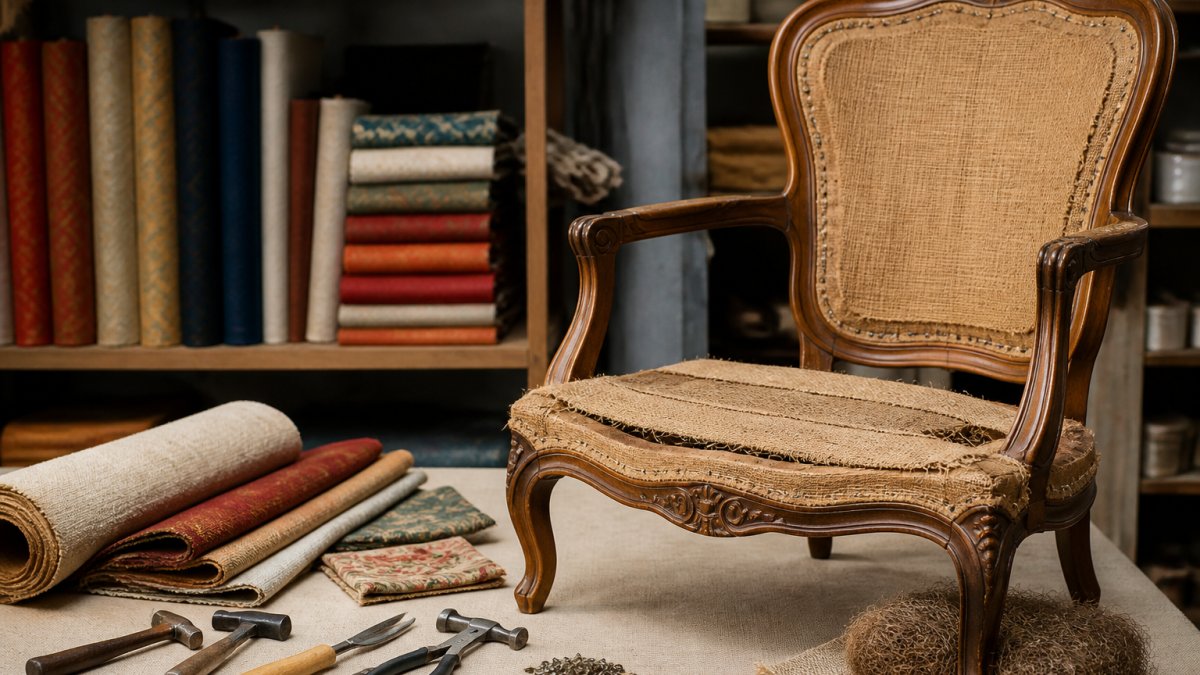
Old chairs were built by hand. Frames are joined with dowels and hide glue, not staples and screws. Springs are tied by hand. Padding is often horsehair or coir that has compressed and crumbled over decades.
That means more steps, more care, and more time. A modern dining chair might take a few hours to recover. An antique with a hand-tied seat can take several times longer.
Canadian Conservation Institute guidance on caring for historic furniture notes that historic upholstered furniture needs careful handling to protect both the frame and original materials. That caution is exactly what adds labor.
Chair Reupholstery Cost by Chair Type and Size
Chair reupholstery cost tracks size and complexity more than age alone. A small dining chair is a smaller job than a wingback lounge chair, and a recliner adds mechanism work on top of everything else.
Here is how the main types compare in terms of effort:
| Chair Type | Typical Effort | Main Cost Drivers |
|---|---|---|
| Small dining chair | Low | Seat pad, simple fabric, minimal frame work |
| Medium armchair | Moderate | Backrest, arms, cushion, more fabric |
| Large lounge chair | High | Hand-tied springs, deep padding, tufting |
| Recliner | High | Mechanism repair, more fabric, more labor |
| Antique with carved frame | Highest | Frame repair, custom trim, hand detailing |
Dining Chairs, Lounge Chairs, and Recliners
Dining chairs are the simplest antique job. Many have a drop-in seat you can lift out, which keeps labor low. If the frame is sound, the work is mostly fabric and padding.
Lounge chairs change the math. Deep seats, curved arms, and hand-tied springs all add hours. Tufting, in particular, is slow work. Every button is set by hand and tied off underneath.
Recliners add a mechanical layer. If the frame or mechanism is worn, that repair happens before any fabric goes on. Ask any shop to separate mechanism repair from upholstery on the quote.
How Much Fabric to Reupholster a Chair
How much fabric to reupholster a chair depends on the chair's size, the fabric's pattern repeat, and whether you are doing the seat only or the whole chair.
A general rule most upholsterers use:
- Small dining chair seat only: about 1 metre
- Full dining chair: 1.5 to 2 metres
- Medium armchair: 3 to 4 metres
- Large lounge chair: 4 to 6 metres
- Recliner: 5 to 7 metres
Add extra for large patterns. A fabric with a big repeat wastes more material because the pattern has to line up across every panel. Stripes and plaids are the worst offenders.
This is the mistake that sinks DIY jobs. People buy fabric by the seat, not by the pattern, and run short halfway through. A professional measures the actual panels and adds the repeat allowance before ordering.
Fabric choice also drives cost directly. A basic woven upholstery fabric costs far less than a wool, silk, or mohair. For an antique, the fabric should suit the period of the chair, not just the room it sits in.
Antique Furniture Restoration Cost vs. Upholstery Alone
Antique furniture restoration cost covers more than fabric and labor. It includes the frame, the finish, and sometimes the joinery. Upholstery alone replaces padding, springs, and fabric. Restoration adds wood repair, refinishing, and structural work. If the frame is loose, the joints need to be re-glued before anything else happens.
The problem with most quotes is that they blend the two into one number. That makes it impossible to tell whether you are paying for careful conservation or a quick recover. Ask for the estimate broken into the same line items a conservator would use:
- Strip and document: Removing old fabric, photographing the frame, and noting original materials before anything is discarded
- Frame assessment and repair: Tightening dowel joints, re-gluing hide-glue seams, splicing veneer, or replacing a cracked rail
- Spring and suspension work: Re-tying existing coil springs, replacing webbing, or rebuilding a sagging seat platform
- Padding and stuffing: Replacing horsehair, coir, or cotton batting with period-appropriate materials rather than foam
- Fabric and cutting: Yardage, pattern matching, and any custom-dyed or historically accurate textile
- Trim and detailing: Gimp, braid, nailhead, piping, tufting buttons, and hand-stitched closures
- Finishing touches: Touch-up on exposed wood, waxing, or a light French polish where the finish is failing
- Pickup, delivery, and inspection: Often quoted separately, especially for large or fragile pieces
A chair with a solid frame needs only the upholstery layer. A chair that wobbles, has a cracked leg, or shows old repairs needs both. That is why two similar chairs can get very different quotes.
A useful rule of thumb: if the frame work is minor, restoration often lands close to a standard recover. If the frame needs structural repair, expect the frame portion to rival or exceed the upholstery portion. Ask the shop to itemize the two layers separately and to flag anything they cannot price until the chair is stripped.
Antique Chair Restoration: When It Is Worth the Investment
Antique chair restoration is worth it when the chair has value that outweighs the cost of the work. That value can be sentimental, historical, or market-based.
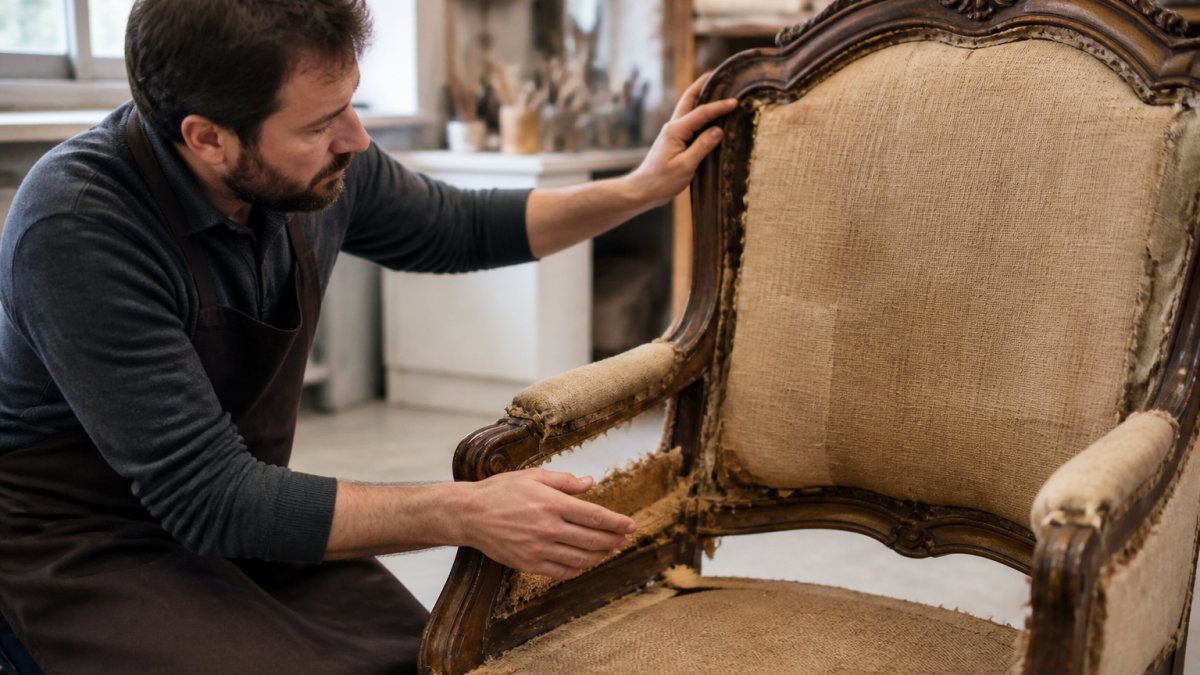
Here is how we would decide:
- Family heirloom? Restore it. The value is not financial.
- Named maker or rare style? Get an appraisal before you spend.
- Structurally sound with good wood? Restore it.
- Badly damaged frame with no provenance? Compare the quote to replacement cost.
- Mass-produced piece with no history? A simple recover may be enough.
The honest answer is that restoration rarely pays back dollar for dollar on resale. It pays back in use. A restored chair you sit in for another 30 years is a different kind of return.
How to Evaluate an Upholsterer for Antique Work
Evaluating an upholsterer for antique work comes down to experience with old frames, not just new fabric. Modern furniture is forgiving. Antiques are not. The right shop will talk about the chair's construction before it talks about fabric.
Use this checklist before you commit, and pay attention to what a good answer sounds like:
- How many antique pieces do you handle each year? A shop that does mostly modern sofas may still be skilled, but ask for antique-specific examples. A good answer names chair types, eras, and the kinds of frames they see.
- Can I see photos of past antique jobs? Look for before-and-after shots that show the frame, not just the finished fabric. Ask whether original springs, stuffing, or trim were retained.
- Do you hand-tie springs or replace them with foam? Hand-tying preserves the original suspension and the chair's feel. Foam is faster and cheaper but changes the character of an antique. Neither is automatically wrong, but you should know which you are buying.
- Do you repair the frame in-house or send it out? Either can work. What matters is that the shop tells you who does the work and how it is priced.
- Will the fabric yardage be written into the quote? A written yardage figure protects you from mid-job surprises and makes quotes comparable.
- What happens if you find hidden frame damage? The best answer is a clear process: stop, document, contact you, and provide a revised estimate before proceeding.
- What is the turnaround time, in writing? Antique work is slower than modern work. A realistic timeline is a sign of an honest shop.
- What warranty do you offer on labor and materials? Ask what is covered and for how long.
That hidden-damage question matters most. It is the number one reason quotes change. A good shop tells you upfront how they handle it, and a written quote should spell out what is included: inspection, stripping, frame repair, padding, fabric, trim, and delivery. Watch for charges that appear only at the end, such as fabric handling fees, storage, or a second pickup if the chair needs to leave for frame work.
Competition Bureau of Canada guidance on getting accurate service quotes reminds businesses to give clear, accurate estimates. Hold any upholsterer to that standard. Compare quotes line by line, not by the bottom number. A quote that seems low often leaves out frame work, trim, or fabric waste.
Conclusion
Antique chair upholstery cost is never a single number. It is the sum of the frame, the fabric, and the hours of careful handwork your chair needs.
At Creative Custom Upholstery, we have spent over 45 years restoring furniture, and we know how much the details matter on an antique piece. We are family-owned and operated, and we handle everything from furniture to marine and automotive seating. We get the job done right the first time.
Request a quote from Creative Custom Upholstery and find out exactly what your chair needs before you commit.
Frequently Asked Questions
How much does it cost to reupholster an antique chair?
Antique chair upholstery cost depends on the chair's size, frame condition, fabric choice, and the complexity of its original construction. A small dining chair with a simple seat will sit at the lower end, while a large lounge chair with tufting, springs, and carved trim will cost significantly more. Because every antique is different, the only reliable figure is a written quote based on an in-person assessment of your specific piece.
Why does antique chair upholstery cost more than standard chair reupholstery?
Antique chairs often have hand-tied springs, horsehair padding, and joinery that modern furniture does not use. An upholsterer has to work carefully around fragile wood frames, original tacks, and decorative trim that cannot be replaced off the shelf. This extra handling, plus the risk of damaging a piece that cannot be duplicated, is what separates antique chair upholstery cost from a standard reupholstery job.
How much fabric is needed to reupholster an antique chair?
The amount of fabric needed depends on the chair's size, style, and whether the fabric has a pattern repeat that needs to be matched. Patterned fabric with a large repeat, or fabric that needs to be matched across seams, will require extra yardage. Your upholsterer should confirm the exact amount after measuring the chair and accounting for the pattern.
What should I ask an upholsterer before getting an antique chair quote?
Ask how they handle fragile frames, whether they reuse or replace original springs and padding, and what happens if the frame needs repair once the old fabric is removed. Request an itemized quote that separates labor, fabric, and any restoration work. Also ask for photos of recent antique projects and confirm the timeline in writing, since antique work often takes longer than standard reupholstery.